Circadian rhythms regulate the changes in physical and mental characteristics that occur throughout the day. The light we are exposed to is one of the most influential factors affecting our physiological rhythm. Having lighting that follows the parameters of what we call Circadian Lighting or Human Centric Lighting ensures that the artificial light we experience resembles natural light and its cycle, which significantly improves our biorhythmic patterns.

According to studies conducted by Harvard Medical School, people living in large cities spend 90% of their time indoors, exposed to artificial light that usually does not follow the natural light cycle. Numerous studies indicate that circadian rhythm can be unequivocally affected by this type of lighting due to the low quality of artificial light and, especially, its lack of variability.
Human Centric Lighting emulates the natural light cycle
Lighting solutions based on Human Centric Lighting are designed to imitate the changes in light that occur outdoors—that is, the natural light cycle. The goal is to maintain the proper functioning of our internal clock, which is clearly affected by the color, temperature, and brightness/darkness of the light. Circadian lighting systems adjust brightness, color temperature, and/or color to improve mood and concentration. These variations help stimulate people during the day and increase relaxation in the evening, promoting restful sleep at night.
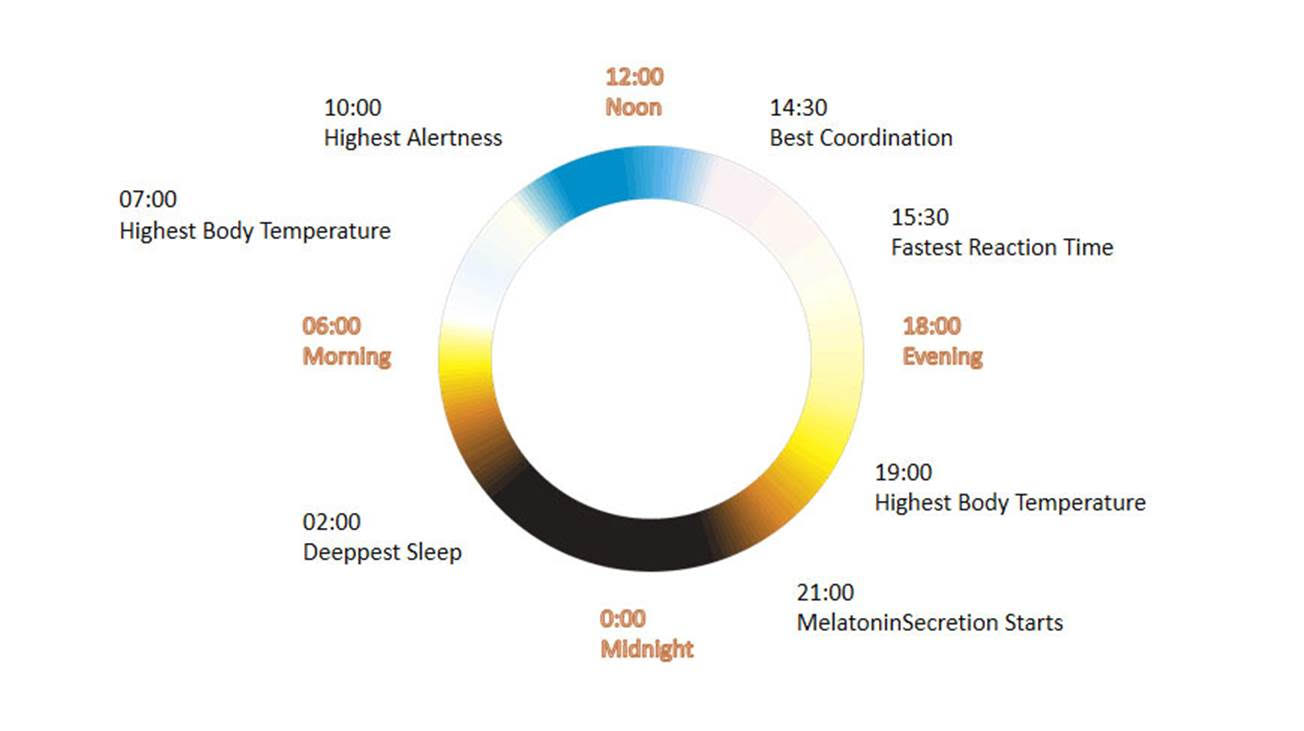
In broad terms, HCL lighting systems are based on installing digital devices that regulate lighting throughout the building according to these guidelines:
- Light that leans toward blue or has higher color temperatures to simulate daylight.
- Light with tones ranging from red to amber and adjusted brightness to mimic evening light.
To maximize the effectiveness of these guidelines, it is recommended to combine overhead lighting with downlights so that, regardless of the time or duration spent in a room, the lighting can closely emulate natural outdoor light.
Benefits of circadian lighting
Biological rhythms follow a 24-hour cycle, known as the circadian rhythm. Light is undoubtedly the main factor that determines our biological clock. This light must be synchronized with our biorhythmic cycles, and to achieve this, it should follow the same cycle as natural light.
According to various medical studies, misalignment of circadian clocks has a direct impact on eating disorders, sleep disturbances, depression, reproductive problems, diabetes, certain types of cancer, and increases the risk of cardiovascular diseases.
With a lighting system that follows our natural rhythm, such as circadian lighting solutions, we can reduce stress levels, improve concentration, decrease insomnia, and positively influence our neural rhythms.
Applications of circadian lighting
In healthcare centers, offices, schools, or even at home, having a lighting system that meets Human Centric Lighting standards is highly beneficial due to its positive impact on health.

For example, a 2016 joint study by the University of Twente, VU Amsterdam, and CBRE Netherlands concluded that 18% of participants improved their work capacity, 71% felt more energetic, and 78% reported better overall health.
At LCE, we offer a variety of Human Centric Lighting solutions. We would be delighted to assess your situation and provide the solutions that best suit your needs.